Life Lessons from Reel Life
By Ynez
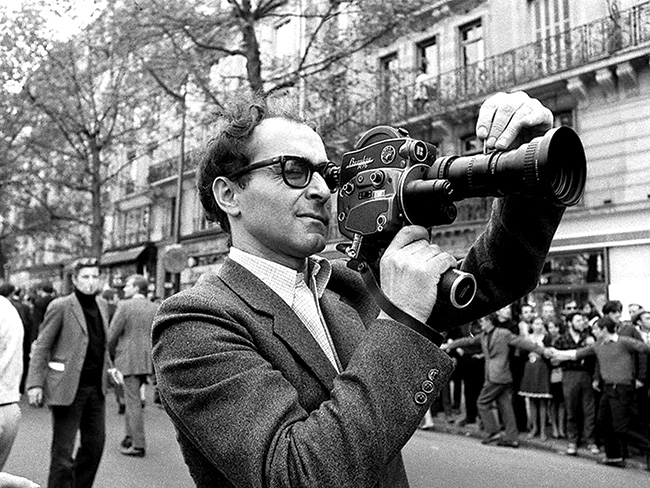
“Cinema is not an art that films life; the cinema is something between art and life.” -Jean Luc Godard
Cinema reflects life, evokes emotions, questions norms, and creates revolution. Its influence on our lives is undeniable. Cinema is not merely for entertainment. It educates, evaluates, and empowers people. It is an indispensable part of our contemporary society. Cinema’s impact is multitudinous, influencing our socio-economic background, our social and personal relationships, norms, stereotypes, and personal growth.
Cinema and Daily Life
Cinema isn’t just limited to the screen; it’s beyond that. It influences our day-to-day conversations, such as incorporating movie dialogues and imitating the dialects used by movie characters. People dress up like fictional personas seen on the silver screen or television. They name their children after their favourite characters. It also influences the behaviour, opinions, and attitudes of the audience. It is a powerful medium that can create a lasting impact on the audience, especially among young audiences, as they are in the vulnerable phase of character building. It helps us to do something good for humanity.
Cinema and real-life personalities
Biopics inspire us, as they are a record of reality. They see themselves in the place of the protagonist. It helps to inspire the audience to become like them, which shapes their aspirations and values. For example, after watching the movie 12th Fail, many young people aspired to become IPS officers like Manoj Kumar Sharma. Films evoke empathy, self-awareness, and foster emotional understanding. It is an exploration of self-identity. It can strengthen the positive behaviour and challenge the negative ones.
Cinema and Crime
Crimes inspired by films are getting more common day by day. Violent movies by big stars create a sense of heroism. Most such crime starts from fascination, then reach admiration, and then into imitation. The intensity of violence the films bring, the aggressive behaviour in the audience, which differs person to person, many of them keep them grounded, whereas others express it brutally. A Clockwork Orange (1972) by Stanley Kubrick is a globally popular example of this. After its release, teenagers started to behave violently as they considered violence to be “cool.”. In 2004, Michael Hernandez stabbed his classmate 40 times, which he was inspired by the movies American Psycho (2000) by Mary Harron and The Silence of the Lambs (1991) by Jonathan Demme. Such crimes even took place in India. In 2022, Aftab Ameen Poonamwala brutally killed his live-in partner by strangulating and chopping her body into 35 pieces. He confessed that the modus operandi was inspired by the American TV series Dexter. Two such cases were reported in Kerala, which were inspired by the Malayalam movie Drishyam (2013). From the above events, it is conveyed that films can also impact audiences negatively.
Cinema and Emotions
Cinema is a play of emotions. The success of a film is based on the success of the emotions conveyed to the audience by the creators. It is elicited by films, and each genre conveys each emotion. In romantic and action films, the scenes are getting fantasized, and such films are far away from reality. Horror films evoke fear. There are movies like The Pursuit of Happyness (2006) by Gabriele Muccino, which create a sense of hope and optimism.
Films reflect our attitude, challenge our assumptions, and help us imagine a better world. As we continue to navigate the complexities of human experience, cinema remains indispensable.