International Youth Day: “Hope Grows, Support Still Shrinks”
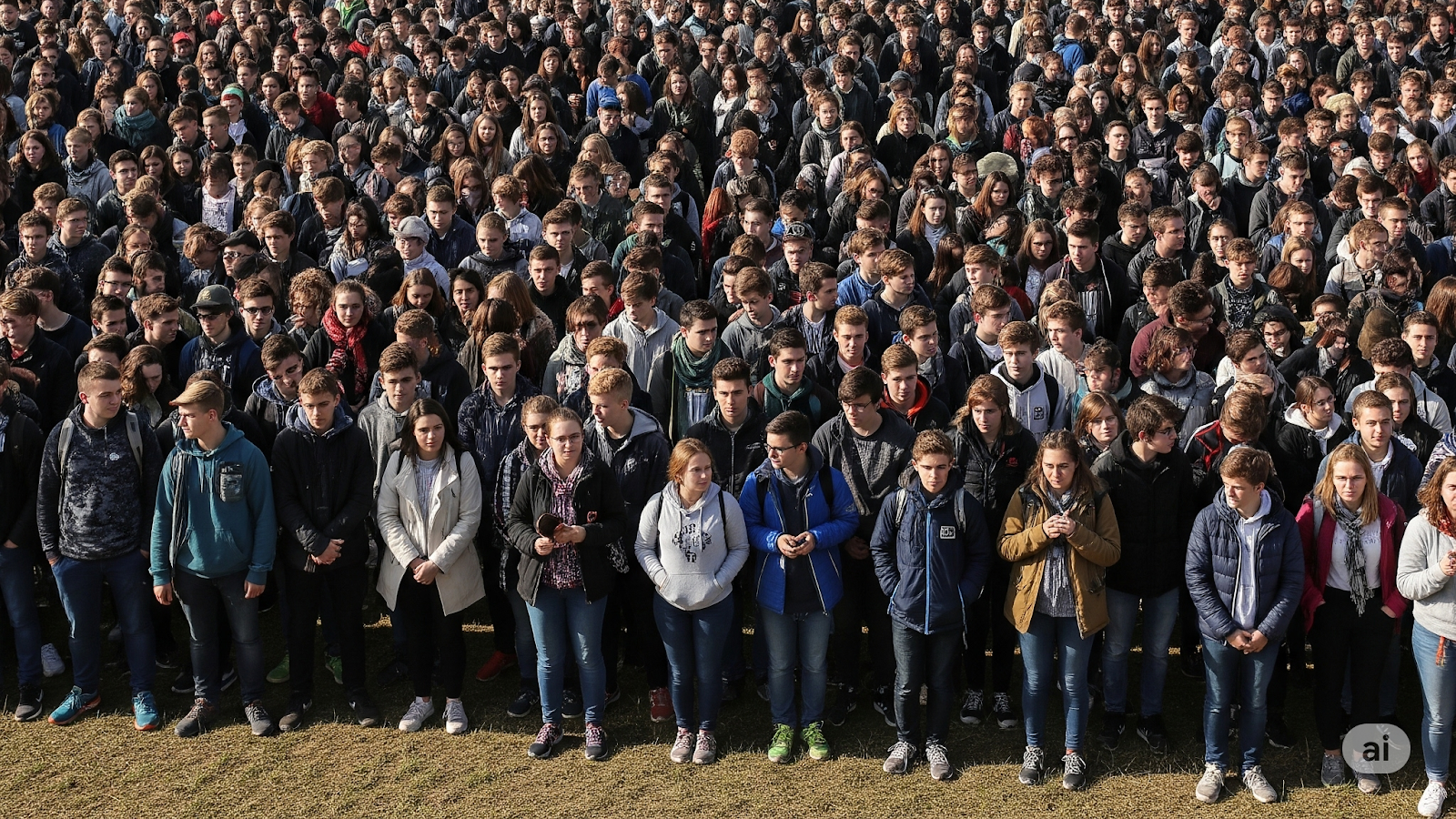
A group of youth is standing on the ground. AI-generated image
The nation’s hum isn’t found in its monuments or balance sheets, but it’s in the collective heartbeat of its youth. On August 12th, 2025, the world once again paused to listen to that heartbeat, celebrating International Youth Day.
The purpose of this celebration is to draw attention to the cultural and legal issues surrounding youth and to strengthen them to be efficient and intellectually powerful citizens of the nation.
This year’s theme, “Local Youth Actions for the SDGs and Beyond,” is a poignant and timely call to action. India has one of the world’s youngest populations, with a median age of around 28 years. This means a larger proportion of its population is of working age compared to dependent groups, which is a positive sign for the nation’s economic and holistic well-being. We have a demographic dividend of historic proportions, but as we have seen, this dividend is not a gift; it is a responsibility.
With the prevalence of an inefficient education system, skill gaps, unemployment, mental stress due to various factors, and social disparities, the nation is truly being threatened.
A Performance Grading Index (PGI) from the Ministry of Education revealed that all 28 states and 8 union territories scored below 50% on learning outcomes and quality. The Graduate Skill Index 2025 indicates that overall graduate employability has decreased to 42.6%, with a significant drop in non-technical roles. A 2024 study by the Indian Psychiatric Society found that about 40% of teenagers in India report stress and anxiety as their main concerns.
Regarding the growing concern of mental stress, it’s clear that while tools for personal resilience are beneficial, they are often a reactive response to larger systemic issues. This perspective of mental well-being was emphasized in the Social-Ecological model, developed by psychologist Urie Bronfenbrenner. It posits that human development and well-being are influenced by multiple, interacting systems, not just the individual. For our youth to truly thrive, we must move beyond simply managing stress. The true path forward is to implement systemic reforms, rather than searching for band-aid solutions. The systemic reforms should include providing students and employees with the right to disconnect after work hours to prevent burnouts, shift in education philosophies etc. Mental health should be a proactive priority, not a reactive afterthought.
There is a term “Youth-a-nator.” The “Youth-a-nator” is not a futuristic machine. It is the awakened spirit within every youngster, ready to build, to dream, and to lead. The work is unfinished. The mission is now.
Article by: Priyanshu Shekhar